

Being in STEM means that you are studying either Science, Technology, Engineering, or Mathematics. Did you know that there are over 8000 undergraduate students in STEM here at UCSB?!
Although STEM students encompass a broad range of majors, they often share some similar experiences. They find themselves juggling classes, labs, work, volunteering, extracurricular activities, and more. Such a rigorous schedule can lead students to sacrifice self-care and sleep, which often backfires resulting in negative consequences for academic performance and personal health.
Check out the articles below to read about the challenges that STEM students face and learn how to draw on your strengths to tackle them!
Although STEM students encompass a broad range of majors, they often share some similar experiences. They find themselves juggling classes, labs, work, volunteering, extracurricular activities, and more. Such a rigorous schedule can lead students to sacrifice self-care and sleep, which often backfires resulting in negative consequences for academic performance and personal health.
Check out the articles below to read about the challenges that STEM students face and learn how to draw on your strengths to tackle them!
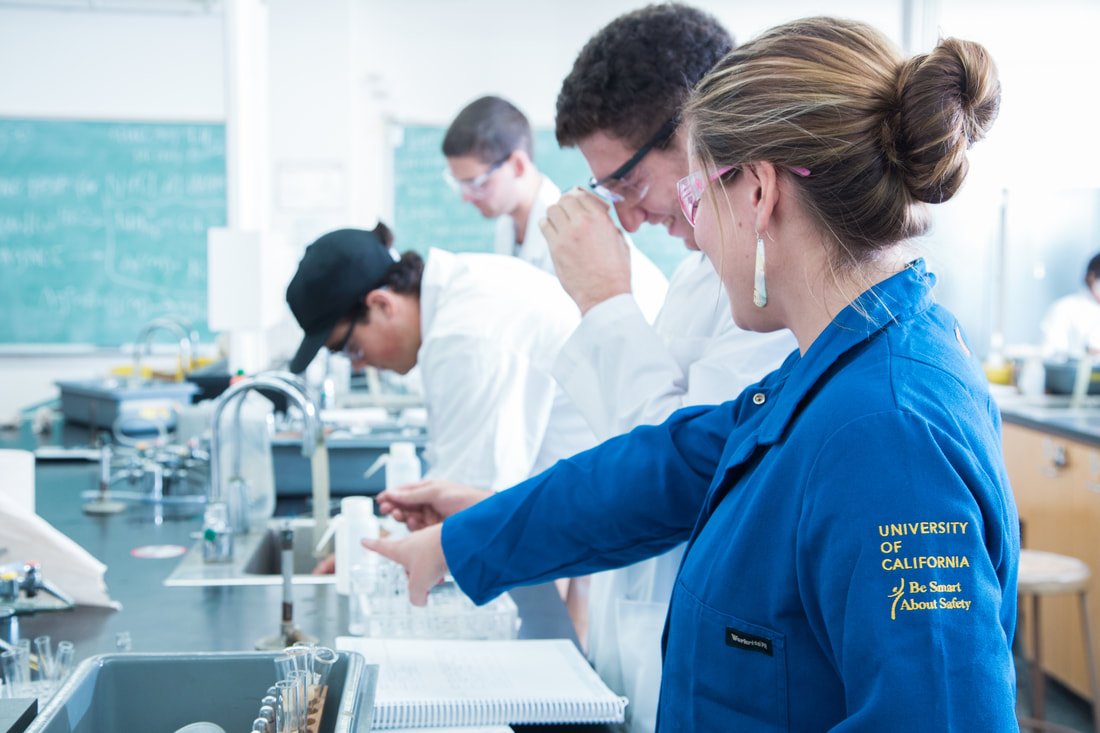
@UCSBMentalHealthPeers STEM Student Experience: I have no time!! #whatischemistry #whatisselfcare #whatissleep #STEM #UCSB |
Running on the Wheel:
Being a STEM major means that you have a heavy workload (e.g., course content is tough, frequent labs/problem sets), there's little room in your course sequence (“the grid”) for stumbling (having to retake class) without having to take more time to graduate, and there's little time for other activities outside of academics to create life balance. How do you deal with all of these challenges and keep going even when things feel super tough? Check out this article to learn more about how to navigate the challenges of being in STEM and build up your strengths to clear difficult hurdles.
|
Social Culture in STEM:
As a STEM student you may feel as though you are constantly competing with your peers. You tell your friend that you earned a high grade on your Chemistry midterm but they earned just a few more points than you did. For many students this social comparison turns into worries about not being smart enough, fears that everyone else knows what they’re doing except for you and that you are not cut out for STEM, or even hopelessness about not being competitive for jobs.
There's even competition about sacrifice and suffering. That is, the social culture around STEM makes it seem like that in order to succeed you must be sleep-deprived and solely dedicated to your studies without having any sort of downtime. However, this mentality perpetuates unhealthy habits that can negatively impact your academic performance and your well-being. |
@UCSBMentalHealthPeers “Don’t compare yourself to others. Compare yourself to the person you were yesterday.” #FocusedOnMyGoals #IGotThis #BeingMyBestMe #STEMExperience #UCSB |
@UCSBMentalHealthPeers What if I don't want to be a doctor/lawyer/engineer? #FeelsLikeNoOptions #who'slifeisthis #STEMexperience #UCSB |
My parents want me to be a Doctor:
As a STEM student, you may feel a lot of pressure from your family. This pressure may be the result of your family’s growing lineage of doctors/lawyers/engineers (and the presumption that you, too, will want to be one). It can also be a result of financial necessity which requires you to succeed and earn money for your family, or simply because achievement has been highly rewarded in your family. Regardless of the cause, family pressures contribute to an already full list of college-related stressors and can result in anxiety, feelings of being overwhelmed and, ultimately, poorer academic achievement. How do we navigate conversations with our families when we don’t want the major they’ve encouraged us to pursue or when we fall short of their standard of success? Check out these articles to find out.
|
Women in STEM
If being a STEM student wasn’t tough enough, being a woman in STEM comes with its own set of challenges. Women in STEM often encounter biases that their male counterparts may not encounter, and therefore may face more obstacles on the way to getting their degrees. Learning how to best prepare for and respond to these unique challenges will help you keep the focus on getting your education and building your career. Check out this article to learn more about how to succeed as a woman in STEM.
|

@UCSBMentalHealthPeers One for all, and all for one! #support #womeninSTEM #STEMExperience #UCSB |
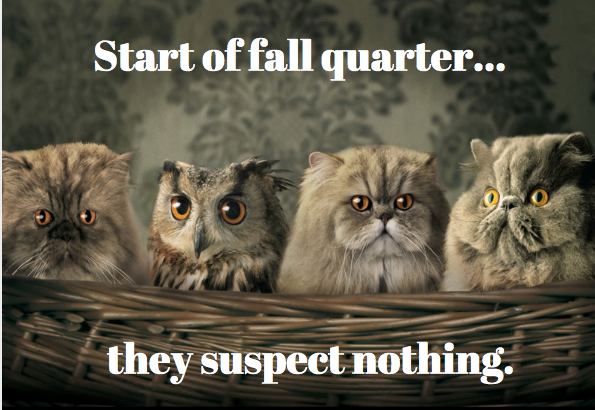
@UCSBMentalHealthPeers Hoot!...I mean meow…#TryingToFitIn #ImposterSyndrome #HowDidIGetInHere #DoIHaveWhatItTakes #STEMExperience #UCSB |
Imposter Syndrome &
As a STEM student, you may find yourself questioning whether you belong at UCSB and whether you can "make it". This feeling, known as imposter syndrome, can affect your self-esteem and lead you to feel isolated and alone. Check out this article for how to challenge these thoughts and own the fact that you do belong here.
|
Connect to your Department & Advising
Academic advisors in the College of Letters & Sciences and the College of Engineering are here to guide you in making your academic plan so that you can complete all of your requirements for graduation. They can help you navigate the process of selecting courses, connecting to campus resources that will help you do your best in these courses, and if you are struggling they can help you to evaluate whether to make a change your course load, choose a new academic path, or take time off to reboot and rebuild an academic plan that works best for you. Stop in to meet with an academic advisor and learn how they can help you reach your academic goals. And for more specific guidance within your major, visit your department's advising office. Links to both the college academic advising offices and department specific offices are found below.
College of Letters & Sciences |
And where you can, find some humor in all that you do...
|
|
|
|